Interni
Living with Art: Sculptural Furniture in Contemporary Interiors
Some pieces of furniture do more than serve a purpose. They shape the atmosphere of a room, draw the eye and invite us to experience familiar spaces differently. As PAD London returns from 13 to 18 October 2026, bringing historical and contemporary design into dialogue, it offers a timely occasion to reflect on the relationship between art, furniture and the spaces we inhabit.
01
Where Function Meets Sculpture
The sculptural quality of a piece begins with its form: the balance between solid and empty space, the rhythm of its lines and the way its proportions relate to the human body.
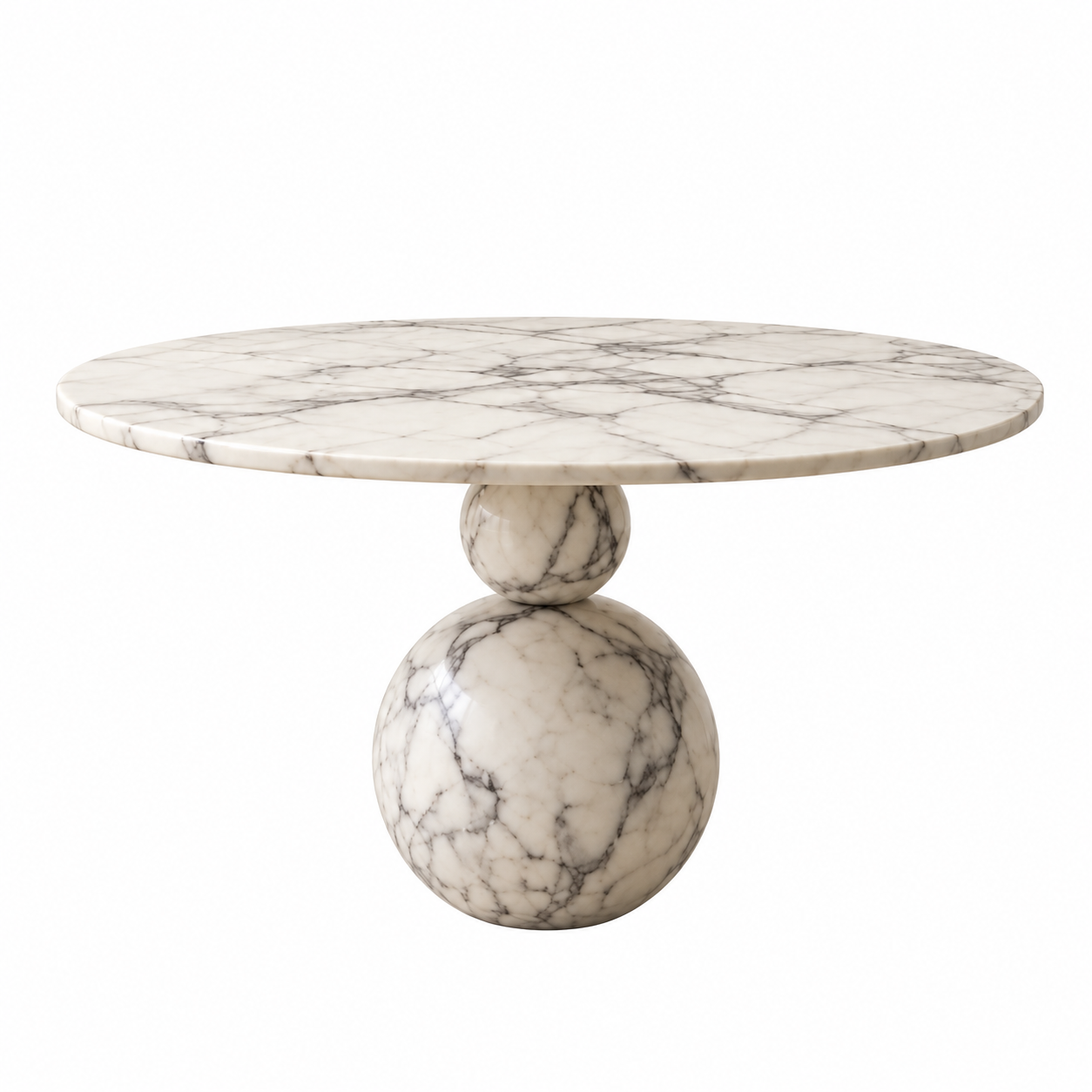
A dining table must accommodate gathering, conversation and movement. Yet its base, silhouette and material can also create an experience that extends beyond its practical role. Viewed from different angles, it may reveal unexpected relationships between weight and lightness, curves and planes.
Function is part of the artistic expression. Using the object brings us into closer contact with its design.
02
Marble as an Individual Expression
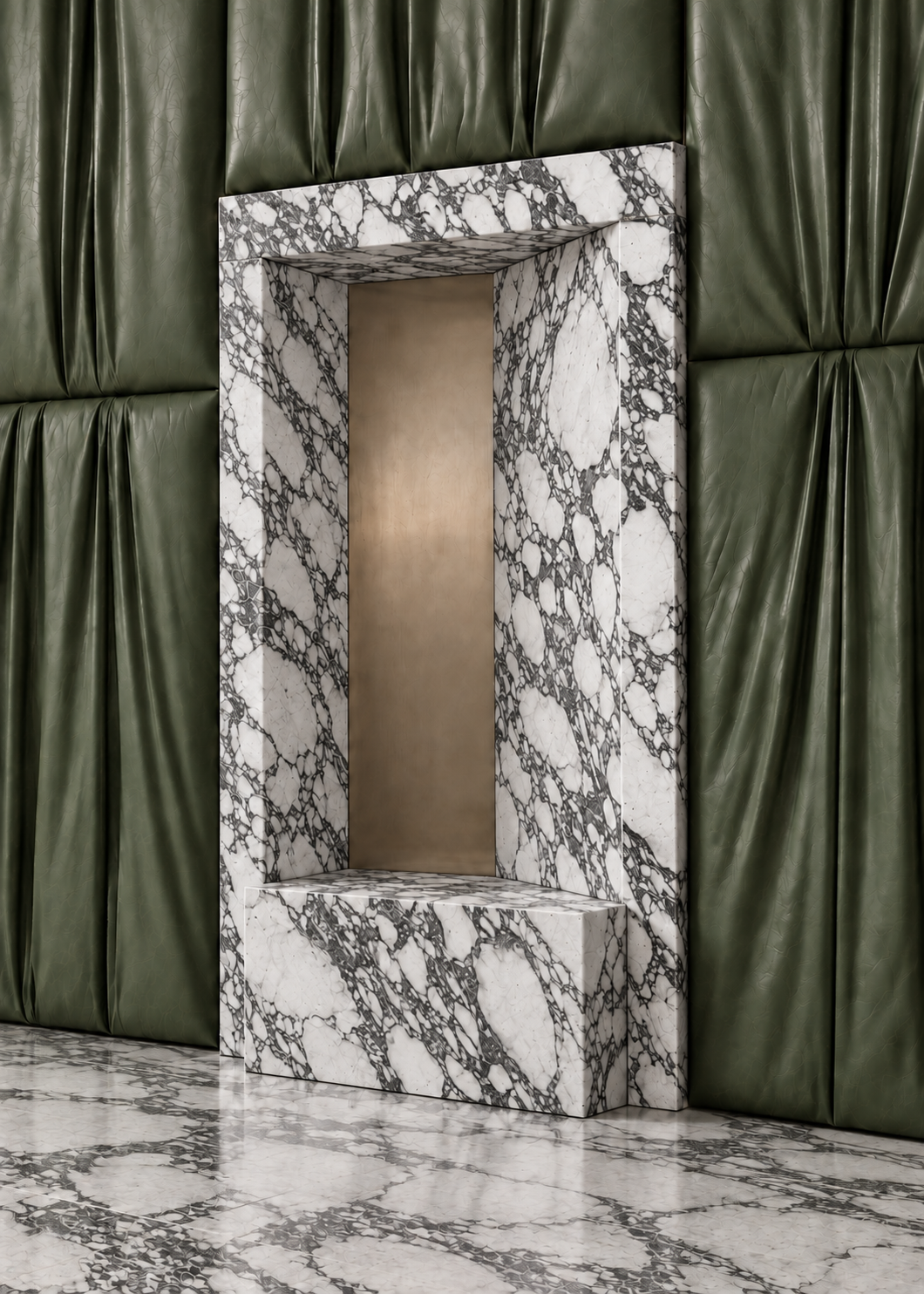
Marble gives this relationship a particular depth. Its veins, tonal variations and natural markings introduce a composition that the designer can interpret but never fully control.
Even when two pieces share the same form, the stone gives each a distinct identity. A quiet vein can accentuate a curve; a stronger pattern can animate an otherwise restrained surface. The choice of material becomes inseparable from the experience of the object.
Working with marble requires attention to both its visual character and its physical qualities. Proportion, finish and craftsmanship determine how the material feels within an interior—and how naturally the piece becomes part of daily life.
03
Creating Space Around a Statement Piece
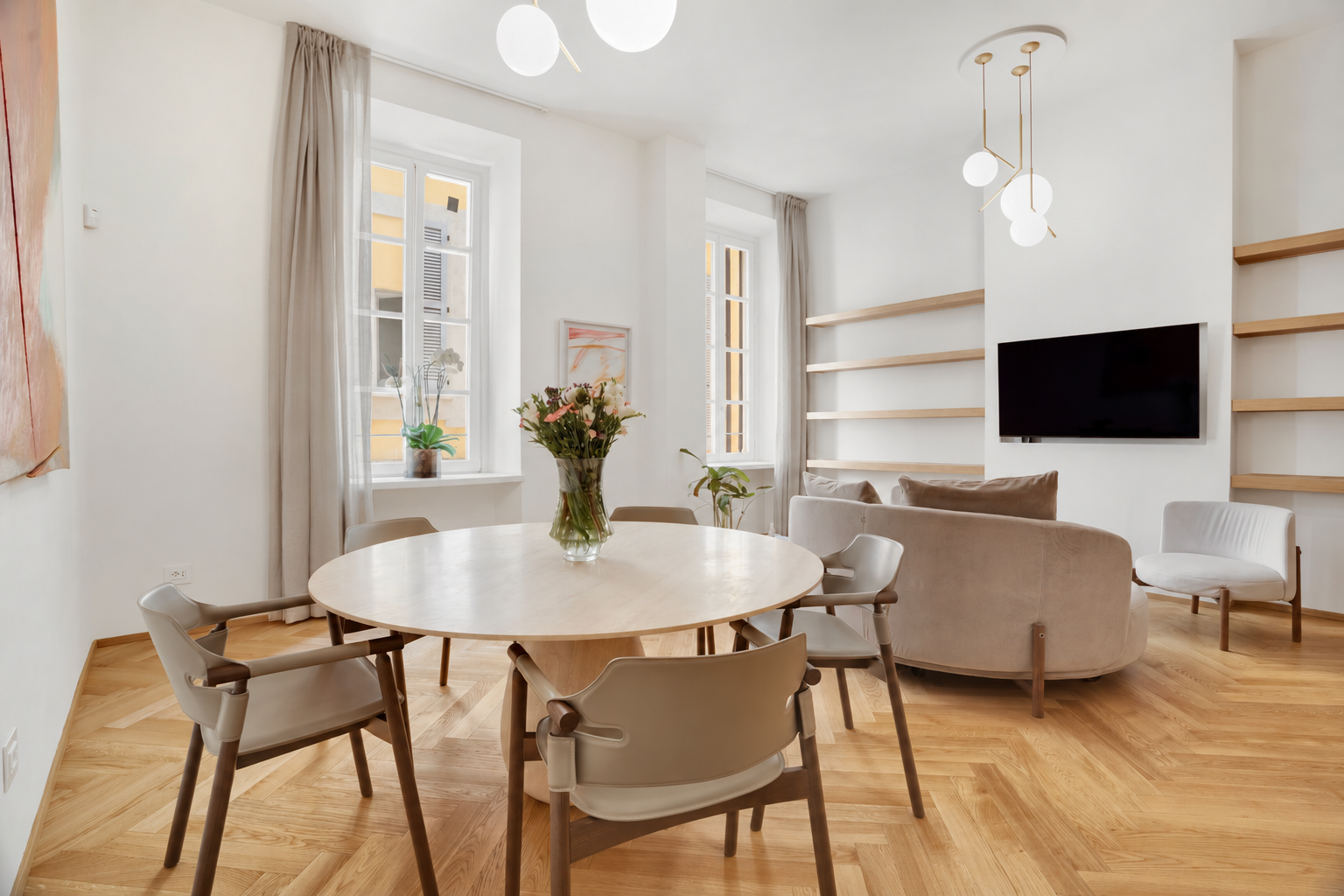
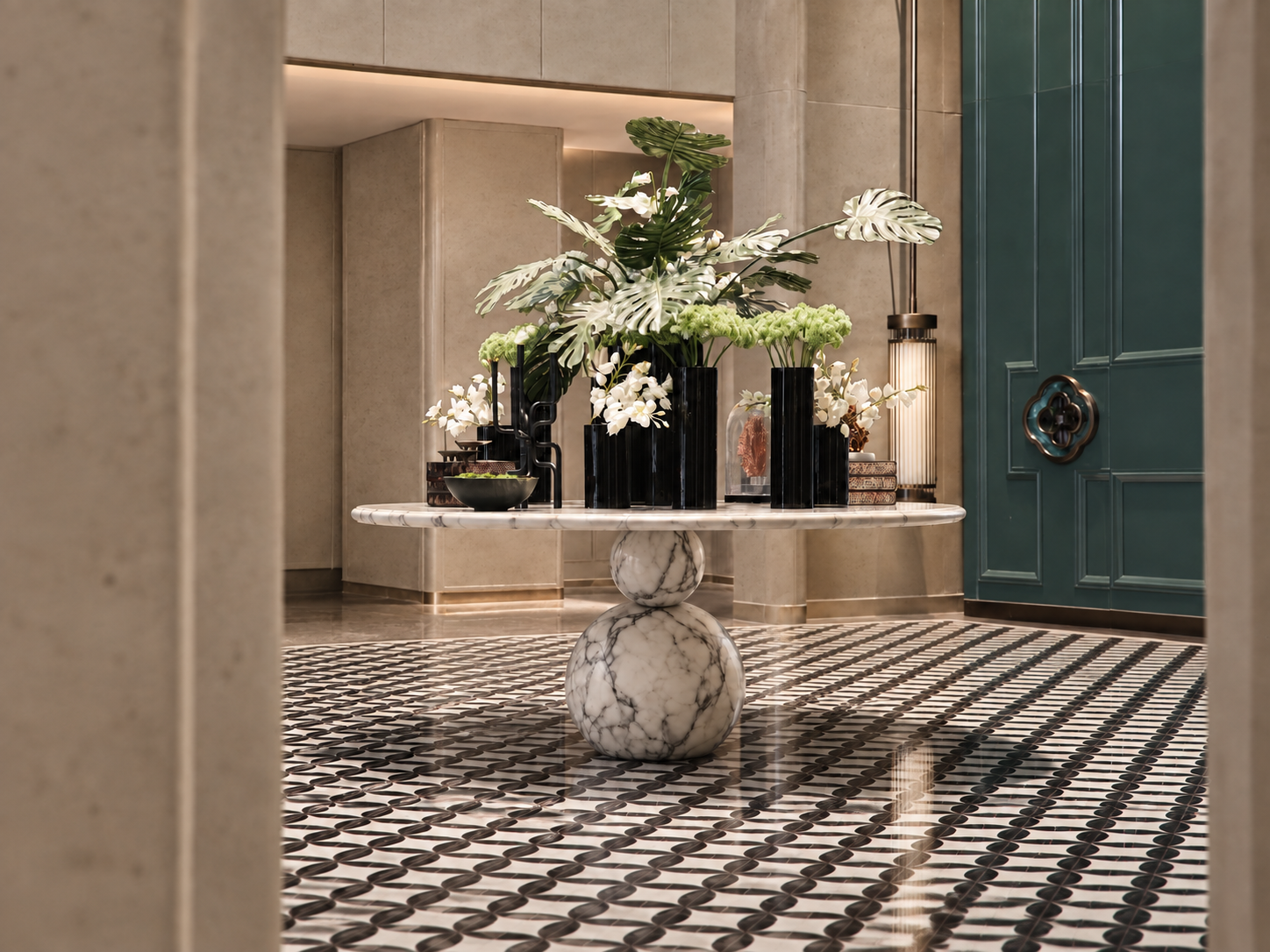
A sculptural object benefits from a considered setting. Space around it allows its silhouette to remain visible and gives the room a sense of balance.
Light is equally significant. Changing daylight reveals subtle variations in the stone, while carefully placed lighting can emphasise the depth of a base or the softness of an edge.
Surrounding materials help establish the atmosphere. Wood, textiles and plaster can introduce warmth alongside marble. Colour may echo the stone’s tones or provide a deliberate contrast.
The aim is to create a room in which the furniture, architecture and people feel connected.
04
The Studio IB Milano Perspective
At Studio IB Milano, the relationship between form, material and function guides the creation of sculptural marble furniture.
Pieces such as the Equilibrio dining table explore the expressive possibilities of a monolithic presence and pure lines. The table offers a place to gather while giving the surrounding space a clear visual centre.
Italian craftsmanship translates this approach into tangible objects, with careful attention to proportion, surfaces and the individual character of the stone.
Living with sculptural furniture means encountering design through everyday gestures: sitting at a table, moving around a curved base, noticing how daylight changes a surface. Through these experiences, a piece becomes part of the life of a home.